Outsourced defense is conditional defense
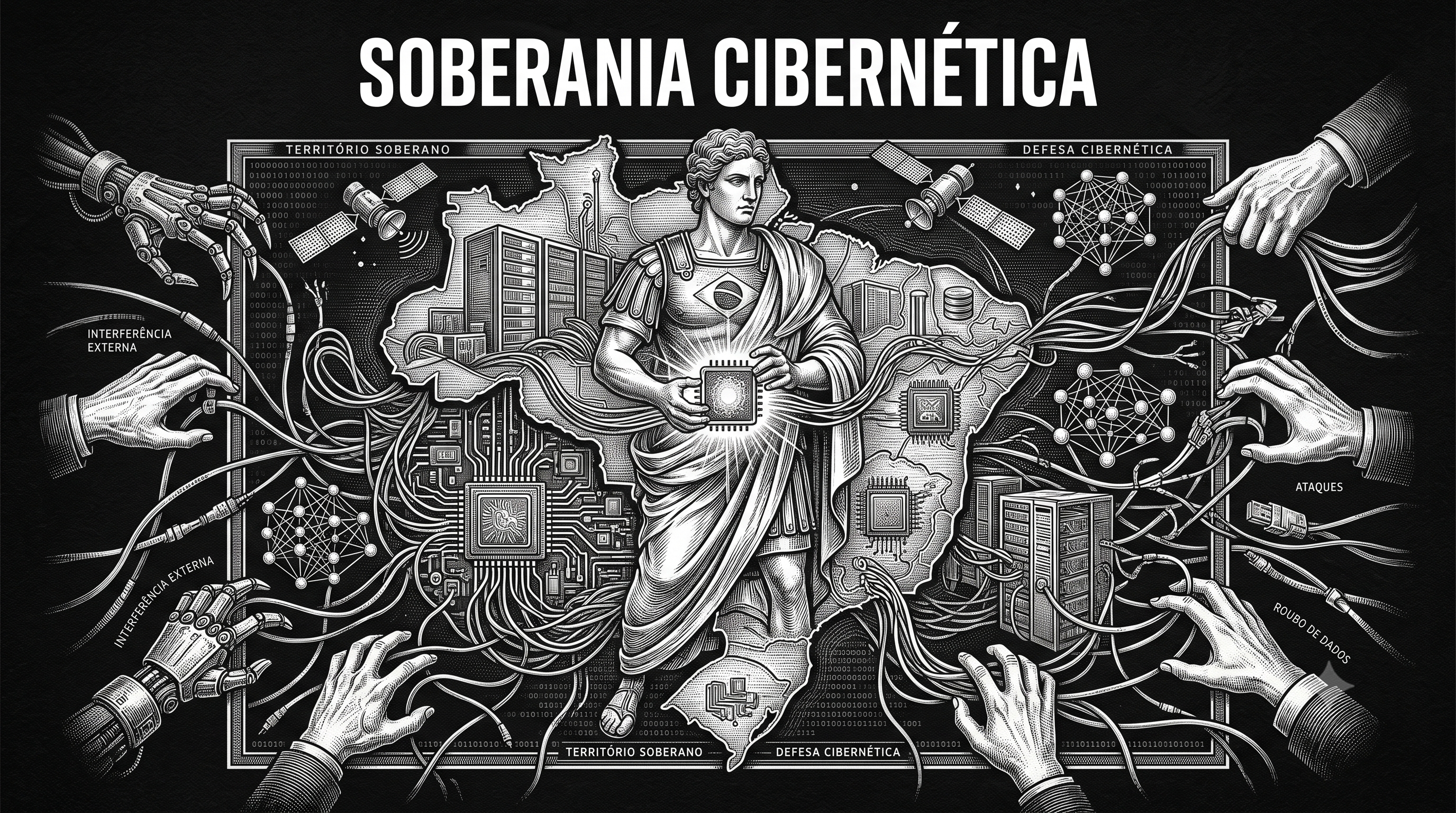
Most of the security infrastructure that protects Brazilian companies and institutions is designed, operated and evolved outside the country. Day to day, it works. The problem shows up in the exceptions: when availability, jurisdiction and commercial priority stop being under national control.
Cyber defense is not only about stopping attacks. It is about preserving the ability to keep protecting, even when an external vendor changes policy, is restricted by sanctions, or simply decides to stop operating here.
What “sovereignty” really means
Cyber sovereignty is not isolation or technological xenophobia. It is autonomy: the ability to choose, integrate, replace and keep operating without depending on a decision you do not control.
In practice, that comes down to four questions every critical organization should be able to answer:
- Who controls the architecture and code behind your detection and response?
- Where, and under which jurisdiction, is your sensitive data processed?
- What happens to your defense if that vendor becomes unavailable tomorrow?
- Is there a replacement path, or are you locked into a single vendor?
Dependence is an attack surface
Every component you do not control is an assumption of trust. An update pipeline, an endpoint agent, an AI model that processes telemetry: each is a point where the continuity of your operation depends on third parties.
Continuity over convenience: a critical defense must keep working even amid external restrictions.
Black Ghost operating principle
How we build autonomy in practice
Black Ghost was born in offensive security, understanding how attackers find and exploit real flaws, and is turning that knowledge into national defensive capability.
- Operations: direct protection of applications, networks, clouds and critical infrastructure.
- Research and development: turning real operational challenges into automation and proprietary tooling.
- National technology: a Brazilian detection, analysis and response platform, with our own components.
- Capability: knowledge and professionals able to operate and evolve critical technologies.
It is not about reinventing everything from scratch. It is about making sure the decisions that matter (architecture, data, continuity) stay under the control of those with a duty to protect the country.
The starting point
Autonomy is not bought off the shelf; it is built in stages, validating each capability before taking it into critical environments. But it starts with a simple decision: stop treating dependence as a technical detail and start treating it as a strategic risk.