

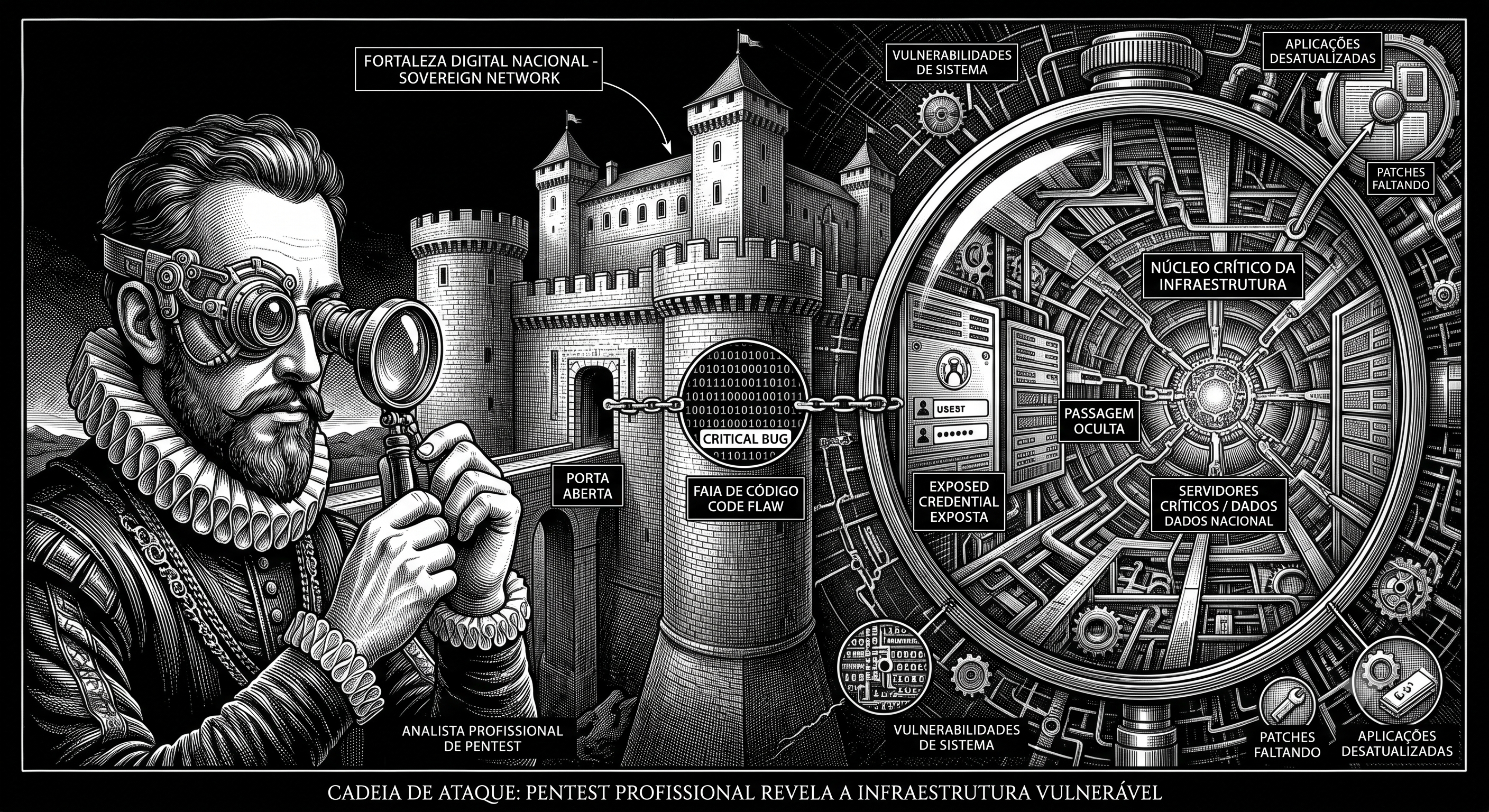
A PDF is not security
Automated scanners generate huge reports with 80% noise. It is easy to mistake volume for depth. But a list of "potential vulnerabilities" without validation never tells you which path an attacker would actually take.
A well-executed pentest does the opposite: it reduces. It starts from hundreds of signals and arrives at a handful of findings that matter, each one proven, contextualized and prioritized.
What changes with human validation
- Every critical finding is manually confirmed by a senior operator, no false positives.
- Priority comes from business impact, not the tool's generic score.
- The report explains the full attack path, not just the isolated flaw.
- You get a remediation step your engineering team can actually execute.
The goal is not to find everything. It is to find what an adversary would use, and show how to close it.
In the end, the metric that matters is not how many pages the report has. It is how much of your real risk you can eliminate after reading it.